Practical advice for everyday personal safety
Most self defence advice focuses on what to do during an attack
The most useful self defence tips focus on what to do before anything happens at all.This page is for people who want:• realistic personal safety advice
• simple self defence tips that actually apply to everyday life
• guidance that doesn’t rely on strength, speed, or confidenceNo experience needed.
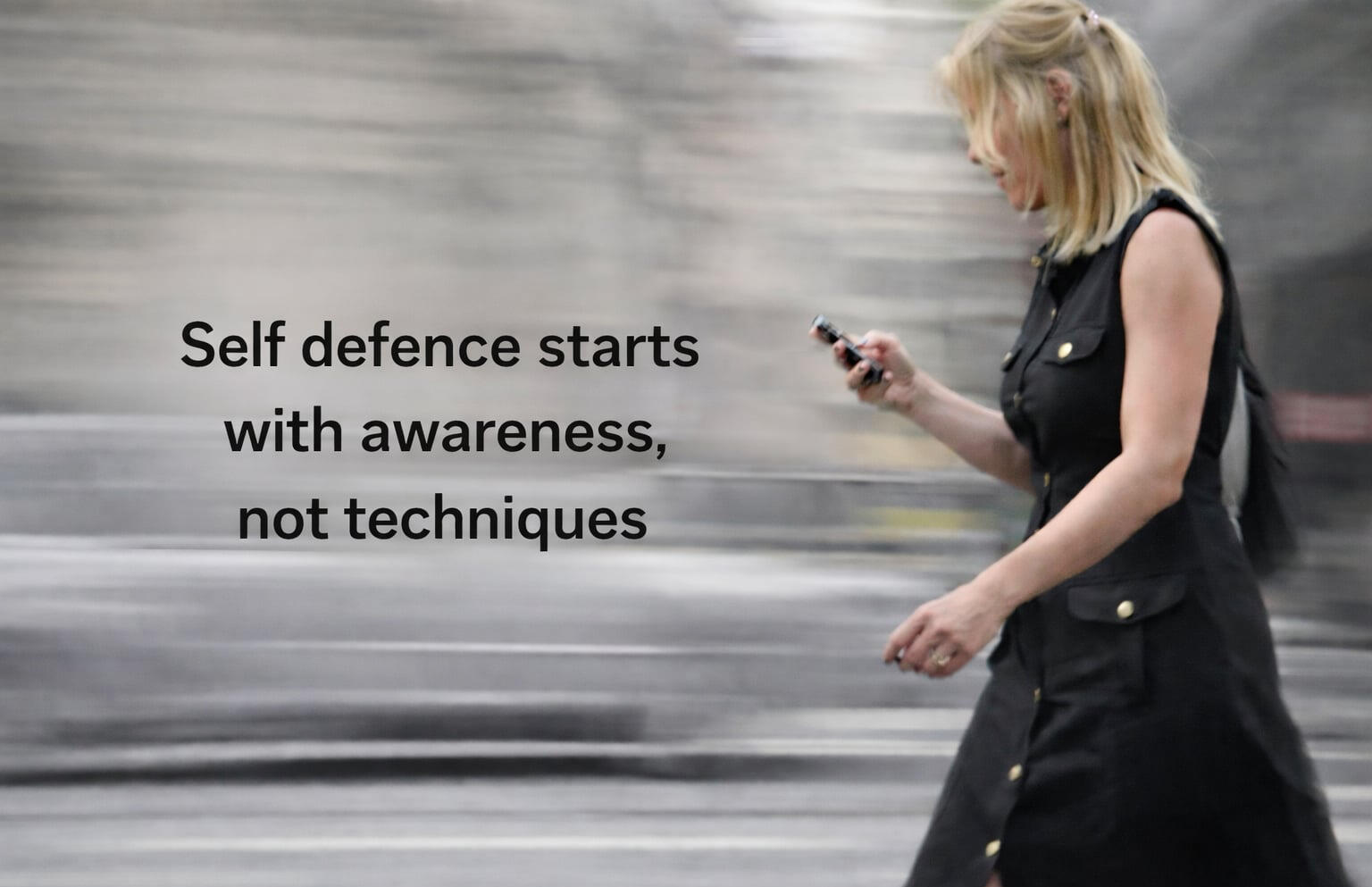
Self defence isn’t just about techniques
Many people think self defence tips mean:• learning physical moves
• memorising responses
• preparing for a fightIn reality, the biggest gains in personal safety come from
awareness, decisions, and avoiding trouble early.That’s what these tips are about.
Simple self defence tips
that make a real difference
These aren’t techniques.
They’re habits and decisions that reduce risk in real situations.
Awareness
How grappling arts can become a death trap on concrete
Gut instinct
If something feels off, don’t talk yourself out of it.
Cross the road. Leave early. Change direction.
Distance
If someone you don’t know moves into your space,
create distance straight away. Polite but firm works.
Escape mindset
Your safety matters more than pride or property.
Leaving early is often the smartest option.
Fitness
Being able to move — even briefly — matters.
You don’t need to be an athlete, but basic conditioning helps.
Legal awareness
Knowing when to disengage is as important as knowing how.
Self defence has legal limits.
Reality check
Sport training and real-world violence are not the same thing.
Rules, mats, and fairness don’t exist outside the gym.
Multiple threats
Real situations are rarely one-on-one.
Tunnel vision creates problems.
Everyday environments
Personal safety isn’t just about dark streets.
Risk often appears in familiar places with familiar people.
Phone use
Scrolling while walking reduces awareness.
If you need your phone, stop, look around, then continue.
…and more insights that could change how you think about self-protection
- whether you’re just starting or have trained for years.
The system that Eddie teaches is practical, principle based and easy to learn. It fittingly supported the Royal Marines close combat programme.
– Royal Marines Close Combat Chief Instructor
Where these self defence tips come from
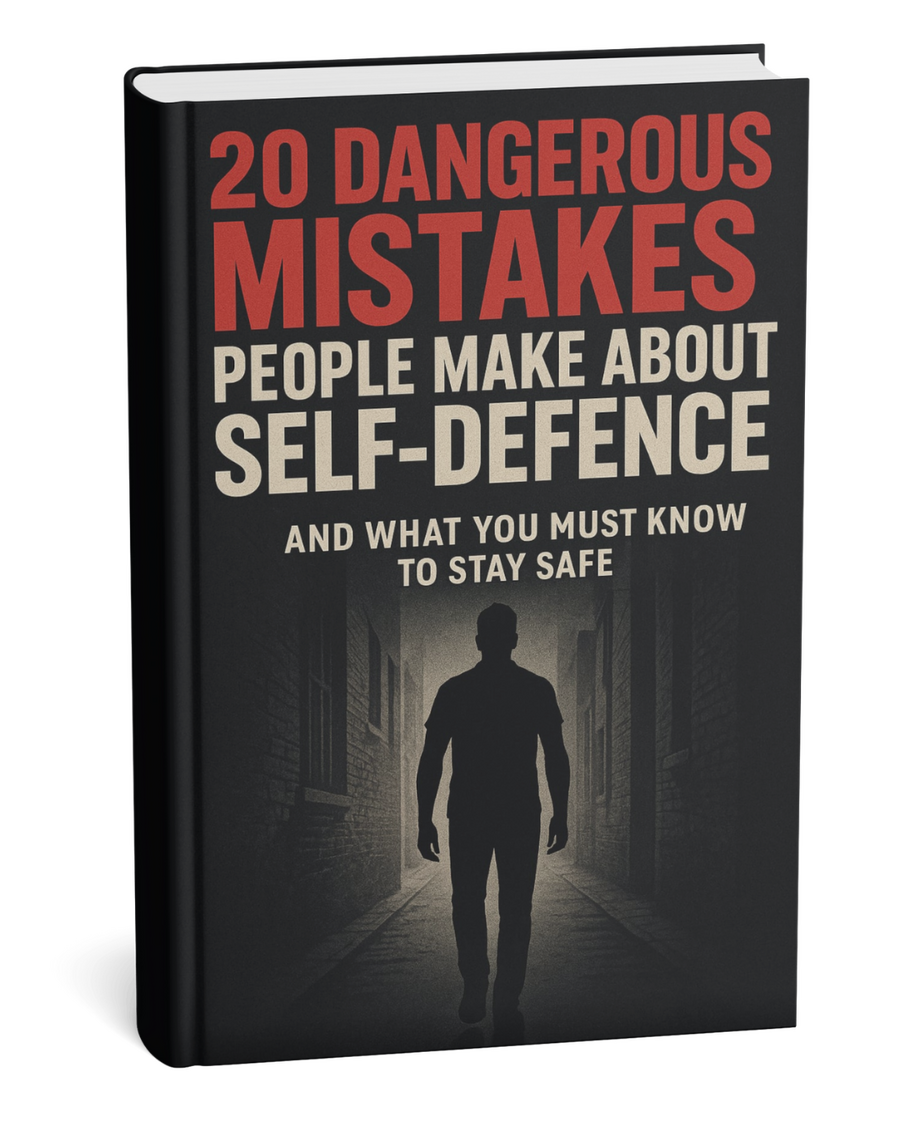
These tips are drawn from a short guide I wrote called:20 Dangerous Mistakes People Make About Self-DefenceEach mistake highlights a simple but important truth about personal safety — especially for people with no training.The guide isn’t about fighting.It’s about understanding risk more clearly.
Who put this together?
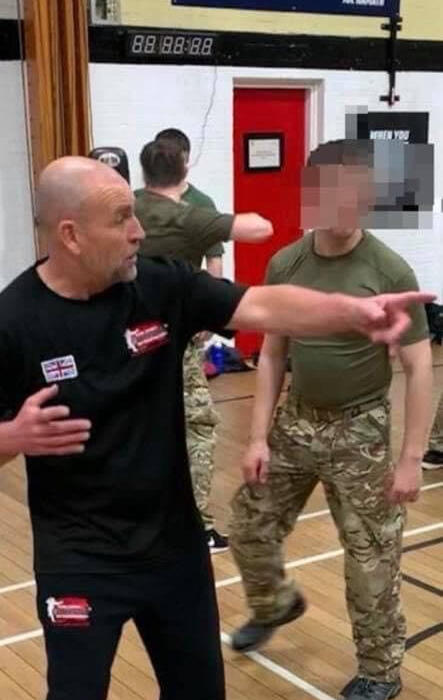
My name is Eddie Quinn.I’ve spent decades teaching self defence to ordinary people
— not because they want to fight, but because they want to feel safer in everyday life.The most important lesson I’ve learned is simple:Awareness and avoidance solve more problems than technique ever will.
A sensible place to start
If you’ve been searching for self defence tips or personal safety advice, this guide is a good first step.Download it and take a few minutes to understand what really matters.
Pop in your email and I’ll send the guide straight to your inbox.
No spam. Just hard-earned lessons and real-world tools that could save your life.